Ali Araghi | Nonfiction
Gábor Attila Tóth and Ellen Hinsey in Dialogue
After the April 2026 defeat of Victor Orbán, Hungary’s long-term prime minister and leader of Fidesz, NER international correspondent Ellen Hinsey spoke to constitutional scholar Gábor Attila Tóth about the progress of democracy in Hungary after its undoing by Orbán’s illiberal regime.
As Tóth notes, under Orbán, “Parliament became nothing other than an automatic voting machine, judges were replaced, judicial independence was weakened, control over much of the media was secured, vulnerable groups were systematically deprived of constitutional protection, and the state of emergency became a permanent feature of governance. These were not isolated defects but interconnected elements of an autocratic system.”
The Hungarian Constitutional Legacy
Ellen Hinsey: The 2026 Hungarian parliamentary elections have brought the world’s attention—and hopes—to developments in the country. But the situation remains quite complex. Let’s begin with a brief overview of a few historical facts about Hungary that have bearing on its constitution and democracy. After World War I, following the collapse of the Austro-Hungarian Dual Monarchy, in 1918 Hungary became a fully sovereign state—and, like England, it had what is called a historical constitution. But the interwar period was one of domestic turmoil in Hungary, where no new constitution was adopted. After World War II the country found itself within the Soviet sphere, where it was brought under Communist control during the years 1945–1948. Despite a few previous attempts to draft a fundamental law, Act XX of 1949—modeled on the 1936 Stalin constitution—was imposed and became Hungary’s first written constitution.
Gábor Attila Tóth: When I teach constitutional law, I often remind my students that, in formal terms, Act XX of 1949 was Hungary’s first written constitution—and, regrettably, it was a Stalinist one. To be clear, a single codified constitution was not the only model; some countries, most notably the United Kingdom, have followed a different constitutional path. In Hungary’s case, however, the historical constitution[1] failed to provide effective protection for liberty and equality. The first attempt to establish a constitutional order based on a written constitution came in the 1790s, when the Hungarian Jacobins, inspired by Enlightenment ideas, advocated a state founded on popular sovereignty and individual rights.
EH: This transpired when there was a spread of revolutionary ideas throughout Europe and beyond—
GAT: Yes. I recently revisited the writings of Hungary’s first constitutional scholar, József Hajnóczy.[2] Fascinatingly, he grappled with questions similar to those that occupied Jefferson and Madison in their correspondence—whether a constitution can bind future generations—although he knew nothing of their exchange. One might say these ideas were part of the Zeitgeist. Yet the Hungarian Jacobin movement failed: Its leaders were executed by the Habsburg authorities in 1795. The second attempt came during the Revolution of 1848, part of the wave of revolutions that swept across Europe. Although the revolution succeeded in dismantling much of the feudal order and introducing liberal reforms, there was not enough time to adopt a written constitution. The Habsburg Empire, with Russian military assistance, defeated Hungary.
The third attempt came after World War I. In 1918 a revolutionary government proclaimed the first Hungarian Republic, but it failed to stabilize the country, and the Hungarian Soviet Republic followed. During this brief period, the first draft of a written constitution was prepared, but there was no time to implement it before the regime collapsed. As a result, after World War I Hungary—having suffered major territorial losses, but having gained full state sovereignty—consolidated into a conservative authoritarian regime. By contrast, Germany adopted the Weimar Constitution and, for a time, established a democratic order, while Hungary saw anti-constitutionalist forces come to power.
EH: This concise outline of Hungary’s journey towards a written constitution brings us to the year 1945, and the immediate postwar period. These were immensely important years in Europe. Events in Hungary during this period, however, are not well-known in the West, though they are very relevant to our understanding of the country’s constitutional developments. Very briefly: During the war, Hungary was allied with Nazi Germany. In March 1944, however, learning that Hungary had approached the Western Allies about changing sides, Germany invaded Hungary. As the tide of the war turned, the Allies advanced through Western Europe and, following the Siege of Budapest, Soviet troops drove the German army out and occupied Hungary. Exactly when Stalin decided on the fate of postwar Central and Eastern Europe is still debated. But what we know is that the imposition of Communist rule in Hungary began as the war was ending—yet was carried out incrementally—accompanied by the façade of things like referendums and elections. That said, it remained a complex period.
GAT: Exactly. It is important to remember that the immediate postwar years—1945–1947—were actually marked by hope and democratic enthusiasm. Following the collapse of the Hungarian state that had been allied with Nazi Germany, local self-governing bodies emerged, and millions participated in public life. Act I of 1946 proclaimed Hungary a parliamentary republic headed by a largely ceremonial president. Yet it was not a constitution, as it neither comprehensively regulated the branches of government nor contained a catalogue of fundamental rights. As the Communists, backed by the Soviet Union, consolidated power through unlawful and coercive means, this democratic experiment came to an end. István Bibó, the leading political thinker of Hungary’s democratization movement, later wrote that he wished his tombstone to bear the inscription: “István Bibó, lived between 1945 and 1947.”[3] The irony is that, after repeated but unsuccessful attempts to establish modern constitutionalism, Hungary’s first written constitution, Act XX of 1949, became the constitution of a Stalinist dictatorship.
This constitution would remain in place throughout the postwar period until the momentous year of 1989.
The Challenge of the 1989 Regime Change
EH: When reviewing Hungary’s history during the Communist period, it is important to recall that, despite the fact that the country had experienced severe repression after the 1956 Hungarian Uprising against Soviet rule, by 1989 it was a bit of an exception in the East Bloc. In 1968 some experimenting with economic liberalization had taken place, and in the 1980s, Hungarians were permitted a somewhat broader sphere of freedom in private life than citizens in neighboring Communist countries. The spirit of glasnost also began to strongly influence Hungary. As the momentum for democratic change grew, in May 1989 Hungary dismantled its border fence with Austria, a symbolic first breach in the Iron Curtain. In October—following the National Roundtable talks—a comprehensive package of constitutional amendments was adopted to pave the way for multiparty democratic elections. On October 23, 1989, the democratic Third Hungarian Republic was officially established.
GAT: 1989 was the year Hungary (after Poland, but before most other Eastern Bloc countries) transitioned from Soviet-style autocracy to an—admittedly imperfect, and still fragile—liberal democracy. The constitutional transition itself was negotiated at the National Roundtable. These negotiations became possible because, within the Communist Party, the reformers had gained the upper hand, marginalizing the hard-liners and opening the way for a peaceful transfer of power. Under growing pressure from the democratic opposition and society at large, the Communists accepted a negotiated transition. Its legal outcome was Act XXXI of 1989, which comprehensively amended the 1949 Constitution and established the Republic of Hungary in legal terms, while explicitly remaining a temporary charter pending the adoption of a final constitution.
The year has often been called an annus mirabilis, although that description is not universally accepted in Hungary today. There is a narrative that Hungarians did not fight for their freedom, as in Poland, but rather received it as a byproduct of the collapse of the Soviet Union. That the 1989 transition was merely an elite bargain between the Communist leadership and the democratic opposition. Personally, I disagree. I was nineteen at the time, and I was able to vote for the first time in a democratic referendum that curtailed the Communist Party’s remaining powers. As I personally experienced, the 1989 transition was part of a much broader social movement, with mass demonstrations, new civic organizations, and town hall meetings across the country.
EH: This was a very exceptional situation: Two completely different regime types were negotiating a transition. In this context, it is perhaps important also to recall that in 1989 the tragic 1956 Hungarian Uprising was still very present in the minds of Hungarians and Central Europeans—as was the aftermath of the 1968 Prague Spring. The USSR was still in place, and in January 1991 would use force against Lithuania’s bid for independence. So, as Václav Havel stressed after Czechoslovakia’s “Velvet Revolution,” part of what was seen as miraculous at the time was that the “Revolutions of 1989” were carried out with such minimal bloodshed.[4]
However, circling back to your important point, some in Hungary later asserted that the 1989 negotiated transition and the new constitution of 1989, which amended Act XX of 1949, had left behind a complex, unresolved legacy. This eventually gave rise to debates regarding the legitimacy of the 1989 constitution, among related issues. In 2010 Fidesz’s questioning of this constitutional legacy will set Hungary on a very different path. But before we get to this, let’s explore the 1989 model of constitution-making.
A New Type of Democratic Transition
GAT: Yes, it is worth looking at this period more closely. The democratic transitions of 1989—and, later, that of South Africa—gave rise to a new model of constitution-making. Traditionally, there have been two models. The first is the revolutionary model: The old autocratic legal order is replaced either through a classic revolution, as in France after 1789, or through the collapse of the state, as in Germany and Japan after the Second World War. In each case, an entirely new constitution is adopted outside the previous constitutional framework. Alternatively, there is the reform model: An existing democratic constitution is gradually transformed through amendment and interpretation while maintaining legal continuity.
Hungary in 1989 fit neither model. There was no revolutionary rupture with the previous legal order, but the transition required more than constitutional reform—it required a complete change of the political system. This dilemma led to a new model of constitution-making: the negotiated democratic transition. This model spread across the post-Soviet region and was later adopted in post-apartheid South Africa, building on earlier democratic transitions in Spain and Portugal.
EH: These 1989 regime transitions unfolded over a period of months: In Hungary the roundtables were held between March and October 1989. A new democratic system needed to be built—but this could not be done all at once. As this process will have relevance to the situation in Hungary following the 2026 elections, it is rather interesting for the general reader to understand how this took place.
GAT: What emerged in 1989 was the new, so-called “two-phase” model of constitution-making. The situation at the time contained a constitutional paradox: Before adopting a new democratic constitution, a country first needed to hold democratic elections to constitute a parliament—but such elections themselves required democratic procedural rules. The transition rules could be made neither by the existing one-party Parliament, which lacked democratic legitimacy, nor by the Roundtable, which had not been elected by the people. Thus, the solution was the two-phase model: Representatives of the Communist regime and the democratic Opposition Roundtable negotiated the rules of the transition, which Parliament enacted into law. This first, interim phase established the constitutional framework for free elections. Following the election of the democratic Parliament, the second phase would subsequently have been to adopt a new constitution. In Hungary, only the first phase was completed, in the sense that an entirely new constitution was not written, rather, Act XXXI of 1989 formally amended the 1949 Constitution. In substance, however, it created a new democratic constitutional order.
EH: We see this same two-phased model in Poland, which first adopted the temporary “Small Constitution of 1992.” The preambles to both the Polish and Hungarian constitutions from this period stated that these charters would serve until definitive constitutions were adopted. But Poland’s Small Constitution was not as thoroughly revised as the 1989 Hungarian one. In Poland, the Small Constitution was eventually replaced by a new constitution in 1997.
GAT: There is a humorous saying in Hungary that the only part of the 1949 Constitution left unchanged in 1989 was: “The capital of Hungary is Budapest.” This is not literally true, but it nevertheless reflects the extent of the revisions. That said, Hungary was the only country in the post-Soviet region where the second phase of the constitution-making process was never completed.
EH: There was one other attempt in the 1990s—that, in fact, included a consequential development regarding legislative restraint—
GAT: A serious attempt was made in the mid-1990s to complete the constitutional process. During one parliamentary term, the Socialists, successors to the reform Communists, along with the Liberals held a two-thirds constitutional supermajority. To encourage cooperation with the conservative parties, the governing coalition introduced a self-imposed constitutional rule requiring a four-fifths majority to agree on the cornerstones of a new constitution. Yet the constitutional process failed, not because of disagreements with the conservatives, but because of internal conflicts within the Socialist Party. The completion of the second phase was seen as necessary not because the constitutional framework was dysfunctional—but rather it was meant to symbolize the completion of the democratic transition and finally remove the date “1949” from the constitution.
A Fragile Democracy
EH: Although Hungary did not complete the two-phase process, a number of constitutional experts, such as scholar Kim Lane Scheppele, hold that the 1989 constitution provided for a vigorous system of checks and balances, safeguards of the country’s constitutional order.[5] Though created under different circumstances, Germany’s postwar Basic Law was also considered provisional at the time of its adoption, but remains in vigor. One further detail to perhaps add here, though, is that Hungary’s bicameral parliament was dismantled in 1945, leaving a single parliament chamber. Some scholars deem this a more fragile constitutional architecture, something relevant when we look at Fidesz’s governments in 2010–2026.
GAT: The 1989 Constitution was a unique achievement in Hungary’s history. It combined features of Hungary’s democratic tradition—parliamentarianism, executive power led by the prime minister—with constitutional solutions borrowed from mature democracies. These included the modern formulation of fundamental rights and the creation of a powerful Constitutional Court. The constitutional framework also contained elements that were innovative, by international comparison, such as an ombudsperson for data protection and freedom of information. Overall, it was a strong combination of constitutional principles, institutional arrangements, and human rights guarantees.
EH: And it was sturdy enough to carry Hungary through the first two decades of its re-established statehood. But there were also weaknesses—
GAT: There were structural problems in the constitutional system, which stemmed from two flawed constitutional design choices. As you mentioned earlier, Hungary has a unicameral parliament. That is not a problem in itself: Unlike the United States, Hungary is not a federation. Further, its pre-1945 bicameral parliament was not democratic. What is problematic is that a two-thirds majority in a single chamber can amend the constitution or adopt a new one without any additional safeguards. In many countries, constitutional amendments are subject to further requirements—for example, approval by the next parliament or compliance with unamendable constitutional provisions. This was not the case in Hungary.
Moreover, this was combined with a relatively disproportionate electoral system that makes it comparatively easy to obtain a constitutional supermajority—and consequently this left the constitution extremely vulnerable to the force of a parliamentary majority. Thomas Paine distinguished between constitutional matters, which require broad and lasting consensus, and ordinary governmental matters, which may legitimately be decided on the basis of a majoritarian electoral mandate.[6] In the Hungarian system, that distinction could easily become blurred—and the combination of an easily enacted constitutional amendment and a relatively disproportionate electoral system ultimately proved fatal to Hungarian democracy.
EH: Despite these structural weaknesses, between 1990 and 2010 Hungary experienced genuine political pluralism. Power alternated between the left and the right, several parties were represented in Parliament, and the electoral system had not yet been reshaped by the barriers later introduced in the Orbán years.
GAT: In fact, this was an unprecedented period in Hungarian history: The country had two decades with six democratic parliamentary elections. In all but one case, voters chose a change of government. The first decade was particularly significant. A parliament without democratic traditions became a forum for robust and transparent debate, and parliamentary conventions developed that were respected by both the government and the opposition.
Further, the Constitutional Court, led by its first president, László Sólyom, began its work without precedents and accomplished an extraordinary amount.[7] Law students learned constitutional law from the Court’s pioneering decisions, which effectively created a modern constitutional vocabulary. Although, in its decision abolishing the death penalty, the Court declared that it had the final say on constitutional matters, the relationship between the Court and the Parliament was most often characterized by constructive dialogue—on issues such as abortion, freedom of speech, and the balance between the branches of government. I do not want to idealize this period, however. It was not without its failures: for example, in the field of transitional justice, as well as concerning the serious everyday difficulties citizens faced due to the collapse of the Soviet-type economic system, which led to unemployment and other social tensions.
EH: Viewed from the outside, this is the period when Western democracy specialists deemed that Hungary had become a “consolidated democracy.” The European Commission’s 1997 “Opinion on Hungary’s Application for Membership of the European Union” stated that “The Hungarian institutions work smoothly, the various authorities being mindful of the limits of their powers and of the need for cooperation.”[8] In 1999 Hungary joined NATO and, in 2004, the European Union. But, at the same time, as the playwright and president of Czechoslovakia Václav Havel and his co-signatories noted in the 2009 “Open Letter to the Obama Administration,” there were also destabilizing factors developing in parallel that lay outside the scope of constitutional structures.[9] Let’s speak about this next.
The Human Condition
GAT: This brings us to the end of the 1990s. Viktor Orbán’s Fidesz party first came to power in 1998. During this period, we begin to see a harmful interpretation of politics emerge. This was the idea that the parliamentary majority alone embodied the national interest, while the opposition was merely a disruptive minority to be tolerated, rather than being a legitimate alternative. Since Fidesz did not have a constitutional supermajority, implementing this vision could not be fully realized. Nevertheless, it caused serious damage to democratic culture, judicial independence, and media freedom.
After Orbán lost the 2002 election, he famously declared: “The homeland cannot be in opposition.”[10] This statement undermines the basic principle that alternation of power is a normal and legitimate part of democracy. This recalls an important point made by Ralf Dahrendorf, the German-British sociologist and political theorist: Democratic institutions can be created relatively quickly, but the social foundations and political culture necessary to sustain democracy develop over a much longer period. As he famously observed, it takes six months to create a constitution, six years to reform an economy, and sixty years to build the social foundations of democracy.[11]
EH: There is a very beautiful quote by the great Hungarian philosopher János Kis, a leading figure of the democratic opposition during the Communist era, and later the first leader of Hungary’s liberal party: “In order to have a working constitution, you need two kinds of agreement: The parties should agree on the constitutional design itself. But second, they should also agree that they are not just parties competing for power within the bounds of the constitution, but partners in maintaining those bounds … and that they represent equal members of the Republic.”[12] These words are important to reflect upon not only in the Hungarian context.
GAT: And János Kis’s idea complements Ronald Dworkin’s “partnership” conception of democracy.[13] The mutual recognition of political rivals rests upon the equal dignity of citizens as members of the political community. This democratic principle, however, never became firmly rooted in Hungary. Rather, as János Kis also described, the left and right became locked in a cold civil war, where they viewed each other not as partners under a shared constitution, but as enemies threatening the nation’s very existence.
As we have been discussing, the combination of a disproportionate electoral system, along with an easily amendable constitution proved fatal for Hungarian democracy. Yet, the question always arises: Are democracies undermined by flaws in impersonal institutions—or by the people entrusted with them? The answer is probably both, but to different degrees. The Weimar Republic was often described as “a democracy without democrats.” While this rightly points to a weakness of democratic culture at the time, the phrase is also unfair, because there were many people who fought for democracy. The decisive factor in its collapse was that anti-democratic forces deliberately undermined it. One could say a similar pattern could be observed in Hungary: In the end, the institutional structure was far less at fault than the human factor—the choices, actions, and ultimately the human condition.
The Rise of the Orbán Regime
EH: Before the 2010 Hungarian parliamentary elections, much of the news coverage in the West presented Orbán as campaigning on a vague center-right technocratic platform—focused on the economy and the MSZP, the Hungarian Socialist Party. There was no mention of a new constitution. It was only afterwards, for outsiders, that the full implications of Orbán’s 2009 Kötcse speech were more widely understood. Above all, his stated intention at the time to build “a central political field of power” that would eliminate political plurality and create a political force “prepared for constant governing”—essentially, a single-party state.[14] Obviously Orbán wasn’t about to broadcast this internationally. That said, by the time Hungary took on the rotating Presidency of the Council of the European Union, in 2011, things were clear.
GAT: By 2010 in Hungary, Fidesz had become the dominant political force. Between 2000 and 2010, I worked as an adviser to the Hungarian Constitutional Court, where I witnessed the country’s growing polarization firsthand. In 2007, before Fidesz came to power, Orbán initiated a national referendum to challenge the government’s healthcare and education reforms. It was a typical populist strategy: The wording was such that no one would vote in favor of “having to pay university tuition fees” or a symbolic “healthcare consultation fee.” When I published my first monograph, Beyond the Text, I warned that the Hungarian Republic could become an authoritarian country. In 2010, I resigned from the Constitutional Court because I did not want to serve under the new constitutional system created by Fidesz.
The 2010 Hungarian Elections
EH: On April 25, 2010, Fidesz won the parliamentary elections with a supermajority on a joint list with its smaller ally, the Christian Democratic People’s Party. As you have stressed, in the Hungarian system a two-thirds majority is enough to adopt a new constitution. Almost immediately Fidesz announced it would undertake the drafting of a new basic law, which would become the 2011 Fundamental Law of Hungary. On April 25, 2011, exactly a year after the 2010 elections, the new constitution was signed by the president. Orbán presented Fidesz’s decision to undertake a new constitution as arising from Fidesz’s supermajority: a mandate he called “a revolution at the ballot box.”
GAT: In purely procedural terms, the 2011 Fundamental Law is the first codified constitution in Hungary’s history to have been adopted by a democratically elected parliament. Fidesz won a landslide majority, securing 68 percent of the seats with 53 percent of the vote. However, if you examine how the constitutional drafting process actually unfolded, there are a number of significant problems. Instead of working along with the parliamentary opposition, Orbán entrusted governing-party politicians exclusively with the drafting of the new constitution. The parliamentary agenda allowed only five days for general plenary debate, and four days for detailed debate on the draft constitution—nine days from start to finish. The drafting of the new Fundamental Law was preceded by a series of amendments to the 1989 Constitution that suspended key constitutional checks on legislation. Critically, Fidesz used its constitutional supermajority to abolish the previous 1995 constitutional amendment requiring a four-fifths majority to approve the basic principles of a new constitution. Both the amendments to the 1989 Constitution and the Fundamental Law were adopted solely with the support of a single party’s representatives.
Not only the opposition but also the electorate was effectively excluded from the process. Fidesz sent out a so-called “national consultation” in the form of a questionnaire, but the populist questions left little room for any meaningful alternative answers, and the results were never independently verified. I would not call this a fair constitution-making procedure.
EH: And what followed in the wake of the constitution’s adoption was a fundamental restructuring of Hungary’s institutions: Let’s start with the Constitutional Court. As we have been discussing, an impartial constitutional court is one of the cornerstones of a democratic system for its checks and balances on executive power. The 1989 Hungarian Constitution had established eleven Constitutional Court judges. The new 2011 constitution enlarged the Court’s bench from eleven to fifteen judges. Right there, many thought: This doesn’t bode well. Fidesz then proceeded to fill the four new seats on the court with its nominations.
GAT: Even before this, Parliament reformed the nomination procedure so that the parliamentary majority alone could nominate and elect the justices. Second, as you have mentioned, it increased the Court’s membership from eleven to fifteen justices. As a result of the increase in membership and existing vacancies, seven new justices were elected within a single year. Third, the Court’s jurisdiction was limited by excluding unconstitutional tax and budgetary legislation from its review. The packed and limited Court no longer provided an effective check on the parliamentary majority.
EH: Next came the Supreme Court: In Hungary this has the function of overseeing the country’s lower courts.
GAT: In the new 2011 Fundamental Law, the Supreme Court was renamed the Kúria. This change was declared sufficient for the court to be considered a new institution and thus allow the parliamentary supermajority to prematurely end President András Baka’s mandate and elect its own candidate. At the same time, nearly 10 percent of senior judges lost their positions after the mandatory retirement age for judges was lowered from seventy to sixty-two. In addition, thousands of civil servants were removed from public service without any obligation to provide reasons for their dismissal. These are just some of the changes implemented to the country’s most important judicial bodies.
There were many other examples that demonstrate how the Fundamental Law transformed Hungary’s constitutional system. Further, although Orbán famously described it as being “as solid as granite,” it was, in fact, amended fifteen times, with more than 30 percent of the original text changed by 2026. Over time, it became a constitution increasingly shaped by autocratic tendencies, acquiring an ever more nationalist and religious character, while also withdrawing constitutional protections from certain groups, including asylum seekers, homeless people, and religious and sexual minorities.
The Fundamental Law was therefore not the constitution of the second phase of Hungary’s democratic transition, but its repudiation.
EH: The transformation of constitutional checks and balances was accompanied by the restructuring of the media system. The 2010 Media Laws created a powerful regulatory framework under government influence, and over time much of Hungary’s media ownership became concentrated among actors close to Orbán. This is not a minor part of the story. But to return to our discussion of the human condition, the “Fidesz system” was also characterized by an immense level of corruption. By 2022 this had led the European Union to suspend Hungary’s Cohesion Funds—a serious step for Europe. There was an open struggle between Orbán’s Fidesz and the EU. But already in Orbán’s 2014 speech in Romania, he had himself described the regime he was building as an “Illiberal State,” something that raised serious concerns throughout Europe.
GAT: Let’s now turn to the nature of this regime: Although some scholars continued to describe Hungary as a form of democracy, I believe this view was mistaken.
What Was the Orbán Regime?
EH: This is an important question to tackle: Exactly what kind of regime had Hungary become? It is very consequential to address, as we have observed that this type of regime has become increasingly widespread. Over the last twenty years we have seen what I term an “acceleration of the autocratic learning curve”: an increase in autocratic model sharing. In parallel, in an attempt to describe such so-called “hybrid regimes,” one increasingly witnessed a proliferation of “democracy with adjectives” terminology, such as “electoral democracy” or “neopatrimonial democracy.” Some terminology was produced by the autocratic actors themselves, such as Russia’s “sovereign democracy” and Orbán’s 2014 “illiberal democracy.” Personally, I felt that this coupling of “democracy” with an adjectival modifier only served to veil the real nature of these regimes—effectively allowing them time to consolidate.
You explore this in your recent book Non-Democracy: The Foundations of Constitutional Pathology and Therapy. And you have recently stated that “illiberal democracy” just simply cannot be considered a democracy.
GAT: Terms such as “illiberal democracy” or, in Weberian terms, “leader democracy” suggest that these are merely hybrid regimes. I find these labels misleading. In reality, every constitutional regime is a hybrid to some extent: There is no perfect democracy. Constitutional democracy is a normative concept—an ideal type—just as the various forms of non-democracy are negative ideal types. In practice, however, no constitutional system is flawless. Institutional shortcomings exist, human rights are violated, and autocratic tendencies can emerge even within mature democracies.
In my view, however, “illiberal democracy” is a contradiction in terms. We know the concept of democracy is contested, and there are many competing conceptions of it. But even if we adopt the narrowest procedural conception associated with Hans Kelsen and Joseph Schumpeter—that democracy is a form of collective decision-making based on majority rule—the so-called illiberal democracies still fail to meet that standard. Majority decisions, whether at the ballot box or in parliament, are legitimate only if certain preconditions are satisfied. There can be no legitimate elections, and no democracy, without fair procedures, and the freedoms of expression, assembly, and the media, an independent and impartial judiciary, and the rule of law. Once these liberal elements are removed, the regime is not merely illiberal—it becomes anti-democratic.
EH: And in 2022, due to serious rule of law violations, the European Parliament concluded precisely that Hungary could “no longer be considered a full democracy.” Rather it decided that Hungary had become an “electoral autocracy.”[15] And while our “new autocracies” don’t always look exactly like the “old autocracies,” at this juncture in Hungary we passed beyond the idea of “democracy with adjectives” to autocracy.
But there are a number of things to explain about the Hungarian case.
Becoming an Electoral Autocracy
GAT: If I had to choose from the existing adjectival terminology, I would also describe Hungary as an electoral autocracy. In my book, I argue that it represents a new form of non-democracy. This is because it differs in important respects from earlier autocratic regimes. Traditionally, autocrats seized power through violence or coups, imprisoned or eliminated their political opponents, abolished multiparty elections, dismantled constitutional checks, and imposed strict censorship. Lenin was the first to establish a single-party system. Orbán, like several contemporary autocrats, came to power through democratic elections. He consolidated his regime without widespread violence or mass arrests. Multiparty elections formally remained, opposition parties stayed in Parliament, the Constitutional Court survived, and some independent media outlets continued to exist.
Yet the constitutional transformation under Orbán nevertheless closely followed the classic pattern of authoritarian consolidation—except that it occurred largely without the aforementioned violence. Parliament became nothing other than an automatic voting machine, judges were replaced, judicial independence was weakened, control over much of the media was secured, vulnerable groups were systematically deprived of constitutional protection, and the state of emergency became a permanent feature of governance. These were not isolated defects but interconnected elements of an autocratic system.
EH: And yet from the outside it can still somehow resemble democracy—
GAT: Yes. The second distinctive feature of this new form of non-democracy is the way in which it simulates democracy. Decades ago, Juan José Linz already recognized that modern autocracies preserve a democratic façade.[16] I would go one step further: They deliberately pretend to be democracies because, in our time, constitutional democracy is understood to be the only legitimate political system. The institutions remain, but they no longer perform their democratic functions. Electoral laws are structured to preserve one-party dominance, with gerrymandering and unequal party financing undermining fair electoral competition. Parliament no longer exercises effective public oversight. The Constitutional Court serves both as an instrument of autocratic power and as a façade of constitutional legitimacy. None of this arises from the inevitable imperfections found in every democracy. Rather, taken together, these are the defining features of an autocratic regime. Behind the democratic façade, the substance of democracy has disappeared.
EH: I also believe it is highly important to draw a line here. As we know, unlike classic military coup-d’états, many of the “new” authoritarian regimes have perfected what I call “autocratic gradualism”: the incremental process of democratic erosion, aided by ever more sophisticated technologies. Then these new regimes are in the position to slowly undermine civil liberties or suppress civil society. This gradualism, however, is not all that dissimilar from what occurred in Hungary in 1945–1949.
In the first decades of the 2000s, the West naïvely believed that such “democratic regression” was somehow limited to countries such as Poland or Hungary. But this was clearly not the case: Such thinking failed to detect worrisome shifts in the Zeitgeist. Naturally, this epochal democratic regression has many sources, and we cannot unpack all this here. I’d like to add, however, that the Hungarian philosopher Ágnes Heller and I once discussed the pressing need to reintroduce plainly, in political discourse, the issue of avarice—greed, or pleonexia, considered by Aristotle as the root of social strife. Without “greed,” we cannot understand what happened in Hungary, or what is happening elsewhere. As you said previously, one can have the most perfect constitutional system in the world—but this can be dismantled if there is enough anti-democratic determination, or insufficient oversight on the part of institutions. In the US we have witnessed an attack on constitutional culture and a distain for the free press: In this we see that Trumpism borrows many things from Orbán.
GAT: And Orbán borrowed many elements from Putin’s model of authoritarian rule. Russia was among the first countries to develop an electoral autocracy in the sense we are describing it. Timothy Snyder introduced the concept of “political simulation” to describe how authoritarian regimes preserve the appearance of democracy. In contemporary Russia, democracy has become a simulacrum: Elections function not as genuine competition but as rituals designed to reaffirm the leader’s power.[17] Just as the Russian Constitutional Court became an instrument of Putin’s power, legitimizing everything from domestic human rights abuses to the annexation of Crimea, so the Hungarian Constitutional Court increasingly served the Orbán regime. Hungary also adopted a version of Russia’s “Foreign Agent Law,” using similar measures to restrict civil society. As Russia gradually moved towards open dictatorship, the Hungarian regime, over time, likewise increasingly accumulated classic authoritarian features. In Orbán’s last term the Sovereign Protection Office was adopted to suppress dissent. Yet the fundamental difference must not be forgotten: Putin has had his political opponents murdered or imprisoned and has launched military aggression.
EH: Looking back at Europe since 1989—if we just take that timeframe—to my mind two completely different things were developing in parallel. Alongside an immense effort by many to reestablish or maintain robust democracies—including not only governments, but universities and civil society—less visible things were happening underneath. Arendt described this as the “subterranean stream of Western history” from which emerge anti-democratic forces that usurp “the dignity of our tradition.”[18] This brings us back to corruption. Hungary should not be singled out in this respect, but it is not possible to speak about this period without talking about what is sometimes called “state capture”—or the capture of the financial resources of a state. This is something that has happened extensively in both Russia and Hungary—and is a cautionary tale for the United States.
GAT: This is essential to discuss because corruption was one of the most important features of the Orbán regime. But—once again—we have to be careful with our conceptual framework. Corruption exists to some extent in every country: Officials and politicians may abuse their positions for private benefit. A different phenomenon is “crony capitalism,” where economic success depends not on fair competition but on close ties with political power, resulting in privileged access to state resources, contracts, and regulations. This has certainly characterized the Hungarian system, but it still does not fully explain its nature. The concept of “state capture” comes closer. Traditionally, state capture means that oligarchic groups gain informal control over political institutions and public decision-making, as I observed in Moldova, where I served as an EU constitutional adviser.
The Hungarian case, however, was ultimately not one of oligarchic state capture. Rather, Fidesz, under Orbán’s leadership, captured the state and subordinated the oligarchs to its political hierarchy. Orbán and those around him decided who could become an oligarch and how far their influence could extend. Bálint Magyar first described the Hungarian system under Orbán as a “Mafia State.”[19] As a constitutional lawyer, I do not use this term as a legal category, because the violent methods associated with a criminal mafia are not characteristic of this system. Nevertheless, it captures an important feature of the Orbán regime: The state operates as a clan-like structure.
EH: Whether one adopts the term “Mafia State” or not, certain facts remain: According to Transparency International, by 2025 Hungary ranked at the bottom of the European Union as concerned corruption.
It might also be relevant here to note that in the post–World War II period, typological analyses of totalitarianism such as that of Carl J. Friedrich’s—which is to say an attempt to distill the defining elements of a regime type to a few core characteristics—became prevalent. This approach, however, had its shortcomings—clear in our current context—as modern “illiberal regimes” often progress over a long period through a number of evolutionary stages. Recently Bálint Magyar and his colleague Bálint Madlovics have done extensive work on the evolution of non-democratic regime types.[20] Their computer modeling on how regimes progress towards autocracy—or, in certain cases, back towards democratic recovery, is a case in point. For we observed how, with each election cycle, Fidesz became more repressive.
However—and this is the good news—if a modicum of freedom remains, there can be a reversal. The 2026 Hungarian election is a positive, uplifting example of this. I personally still believe that the majority of Europe’s citizens remain idealistic about democracy: They want fair elections and rule of law. That citizens are not as easily deceived or as cynical as certain political actors or parties—such as Fidesz—thought or hoped they were. The upsurge in hope in Hungary this spring was incredible. One sensed the return of democratic dignity. But belief in democracy needs to be affirmed by those in power—or as Havel once wrote, citizens “want to know that those ‘at the top’ are on their side.”[21]
GAT: Over the last decade, many Hungarians came to see the situation as hopeless. Autocracy forced people into deeply personal existential choices. Many left the country, while others retreated into what, in Europe, has long been called “inner emigration”—withdrawing from public life. Others adapted to the regime, making compromises in exchange for a stable livelihood. German has a revealing term for them: Mitläufer—those who go along with the regime without necessarily believing in it. And, of course, many others supported the regime out of conviction. Most importantly, however, some never abandoned their democratic principles and actively resisted the regime, despite the personal risks involved. In the end, we come back to the fundamental problem of the human condition: the moral dilemmas of living under autocracy.
The 2026 Democratic Breakthrough
EH: On April 12, 2026, Hungarians voted for change. Through free, if not competitively fair, multiparty elections voters were still able to make their choice heard, despite, as you have mentioned, significant challenges such as extensive redistricting and Fidesz’s control of state media. Voter turnout neared 80 percent, and Peter Magyar secured a majority in Parliament with 141 out of 199 seats. Fidesz retained only 52 seats, and the far-right party, Mi Hazánk (Our Homeland Movement), has 6 seats. This represents a political earthquake for Hungary. My impression in Budapest immediately following the election was that—although Magyar is clearly the key figure—there was also a widespread surge of civic agency and determination. That Hungarian young people want to live in a democracy. But none of this was a given when heading into the election—
GAT: Election night in Budapest was astounding. Tens of thousands celebrated in the streets; young people carried Hungarian and European Union flags, and the atmosphere was one of liberation. I witnessed this moment with my wife, sharing both the perspective of an observer and that of a participant. A change of government had become likely according to the polls, but whether it would result in a parliamentary supermajority was a different question. Yet momentum had been building over the previous two years.
Before Magyar emerged, the political left and liberal parties alone could not secure a majority—a point that may be particularly relevant for American observers. What had been missing was a center-right force capable of forming a broad coalition with the opposition. Although voters were aware of the systemic abuse of public power, including the extraordinary enrichment of Orbán’s family, due to the lack of a viable opposition party, for years this had virtually no electoral consequences. Meanwhile, the clan-like structure, poor economic governance, and the loss of EU funds over rule-of-law concerns increasingly left the state unable to perform even basic administrative, public health, and educational functions.
EH: Péter Magyar’s arrival on the political scene was a new development over the last two years.
GAT: A few words about Péter Magyar’s background. Until 2024, he had been part of Fidesz’s political orbit. A lawyer by training, he worked for the Fidesz government in Brussels and later held positions in government-related institutions. He was also the husband of former Justice Minister Judit Varga, whose resignation following a political scandal marked a turning point. Magyar suddenly found himself outside the political establishment. What followed was remarkable. In a short time, through tireless campaigning and with a strong team, he became Hungary’s most popular political figure and built the Tisza movement. His background understandably raises questions. Nevertheless, Tisza represented a genuine bottom-up mobilization, attracting support from the left to the moderate right, including many former Fidesz voters. It was an extraordinary case of the rapid emergence of a political movement—and it ultimately produced a landslide victory.
EH: We might also add here the dedicated work of country’s independent media—
GAT: Yes, another factor that contributed to Fidesz’s defeat was that Hungary’s remaining independent media continued to expose corruption and human rights abuses. Some civil society organizations also did remarkable work despite being targeted by the “foreign agent” campaign and labeled as Soros proxies. Across the country, there also emerged what István Bibó once called “small circles of freedom”—forms of civic activity essential to democracy. This shows why deterministic sociological explanations portraying Hungarian society as inherently passive, Eastern-oriented, or atomized fail to account for the occasional resurgence of collective mobilization and struggles for freedom.
The 2026 Constitutional Transformation
EH: On May 9, 2026, Péter Magyar was inaugurated as prime minister of Hungary. At the time of this writing, Magyar’s government is at the threshold of implementing change. The pressing question that confronts his government—and Hungarian society—is how the country’s re-democratization can be carried out. In legal terms, due to Tisza’s two-thirds constitution-making majority, Magyar’s party in the Parliament can do almost everything, which—as we have seen with Fidesz during its four terms—carries with it grave constitutional responsibilities. The issue is not simply to reverse what the previous party did, but to re-introduce real democratic checks and balances.
As we remember, in 2022 the European Parliament designated Hungary an “electoral autocracy” and sanctioned it due to consequential rule of law violations and corruption. There nevertheless arises the question whether we are dealing with a “peaceful transfer of power” or a “regime change.” And depending on how this is understood, what changes can and should be implemented. Let’s start with general reflections and then discuss the developments that have occurred since the elections.
GAT: Some commentators argued that Orbán’s concession of defeat on election night proved Hungary had all along remained a democracy, with power simply changing hands after an ordinary election. I think the opposite is true: In Hungary, an electoral autocracy had been established and consolidated over successive terms, and the Tisza Party’s constitutional supermajority has created an opportunity to dismantle it. The election result demonstrated a weakness in one of the defining features of an electoral autocracy—the ruler is compelled to preserve multiparty elections, which leaves open the possibility of eventually losing them. Once the scale of the Fidesz defeat became clear, Orbán was no longer in a position to choose. He had done everything possible to preserve his power, but blocking a peaceful transfer of power was no longer a realistic option. As Garry Kasparov wrote on X after the election: “He did not stop; he was stopped.”
EH: In formal legal terms, the Tisza Party, with its parliamentary supermajority, is in the same constitutional position that Fidesz occupied from 2010. This, however, raises a whole new set of constitutional questions.
GAT: Yes. In 2010, Hungary began a transition from democracy to autocracy. Today, the country is attempting the reverse transition—from autocracy back to democracy. In my book Non-Democracy, I argued that, should the Orbán regime ever fall, yet another model of constitution-making might be required. As we discussed earlier, the situation appears again to be one in which neither the revolutionary nor the reform model would be suitable. But unlike in 1989, the negotiated, roundtable model also will not work. Its precondition is cooperation between the outgoing regime and the democratic opposition. Over the years, however, Fidesz became increasingly hardline and confrontational, making such cooperation highly unlikely.
Before the election, I therefore proposed a new two-phase model. The first phase is “negative constitution-making”: the removal of autocratic elements in the Fundamental Law through exceptional and temporary measures indispensable for a democratic transition. The second phase is “positive constitution-making”: once democratic conditions have been restored, the adoption of a final constitution through democratic multiparty representation combined with public participation. When I wrote Non-Democracy this was a normative proposal. Today, it might also serve as a descriptive analytical framework for aspects of what we see unfolding in Hungary.
EH: In light of this, let’s speak about some of the concrete steps the Tisza government has taken so far.
GAT: On the evening of his parliamentary election victory, Magyar called upon various high-ranking government officials, including the President of the Republic; the presidents of the Kúria, the National Judicial Office, the Constitutional Court, the State Audit Office, the Hungarian Competition Authority, and the Media Authority; and the Prosecutor General—“puppets” who had served the authoritarian Orbán regime—to resign. Magyar further stated that, should these public officeholders decline to do so, Parliament would remove them from office by amending the Fundamental Law.
This was the first sign of what I called negative constitution-making: the removal of the autocratic elements of the system. One of the first acts of the new Parliament was the adoption in June of the Sixteenth Amendment to the Fundamental Law, which, among other measures, abolished the Sovereign Protection Office. The Sixteenth Amendment also repealed provisions that infringed upon university autonomy. This was followed in July by the Seventeenth Amendment, which continued this process by providing that, as part of the exceptional restoration of constitutional democracy, the mandate of the President of the Republic would terminate with immediate effect.
The solution for other high public officeholders, however, was not direct removal. In the case of Constitutional Court judges, the amendment restored the previously abolished seventy-year retirement age, leading to the departure of the President of the Court and three other judges shortly afterwards. Another judge’s mandate ended for a different reason, and his successor was immediately elected. Regarding the presidents of the Kúria and the National Judicial Office, a new procedure gave judges themselves the power to remove the current leaders and propose their successors.
EH: The removal of Hungarian President Tamás Sulyok and other senior public officeholders is an unprecedented step. It may increase political tensions while also raising the question whether such measures are compatible with the rule of law. Fidesz organized a demonstration in Budapest in support of the president. The president, for his part, petitioned both the Constitutional Court and the Venice Commission, arguing that even a constitutional amendment cannot lawfully remove him from office.
GAT: Prior to the passing of the Seventeenth Amendment, President Sulyok requested from the Constitutional Court an abstract interpretation of the Fundamental Law regarding the termination of his mandate. After years of acting in close alignment with the Orbán regime, the Court unexpectedly failed to rally behind the president. Seven judges recused themselves, leaving the Court without a quorum and unable to decide the case. In the meantime, the Venice Commission postponed issuing its opinion until the autumn, signaling that it saw no reason to intervene in the constitutional changes. The outcome was clear: The president was left with no choice but to sign the Seventeenth Amendment terminating his own mandate with immediate effect, while most of the Constitutional Court’s judges retained their positions.
Regarding your question about adherence to the rule of law, three theoretical positions can be distinguished. The first argues that a parliamentary supermajority can legally do anything. The second holds that even a supermajority cannot remove constitutional officeholders, because doing so would violate the rule of law. My position is between these two extremes. I was one of the authors of an open letter by public law scholars addressed to Parliament, supporting the replacement of high-ranking public officeholders who remained in office from the previous autocratic regime, while arguing that a supermajority does not have unlimited authority. Such measures are justified only when they are based on exceptional and compelling reasons, pursued for legitimate purposes, carried out through appropriate legal means, and accompanied by self-restraint in the election of their successors.
EH: This is a very complex moment for Hungary, but perhaps also characteristic of the danger presented by “electoral autocracies” more generally. They embed complicated illiberal structures that are almost impossible to undo, setting up serious rule of law dilemmas for any subsequent administrations—especially ones that wish to reinstate judicial restraint.
GAT: The Court of Justice of the European Union and the European Court of Human Rights have held in significant cases that, during the establishment of the Orbán regime, the transformation of certain constitutional institutions and public offices was arbitrary and unlawful. In my view, the justification for removal of certain public officeholders is that they played a significant role in establishing and maintaining the autocratic regime and contributed to serious rule of law violations, human rights abuses, and the misuse of public resources. Having remained loyal to autocratic power until the end, they lost the credibility required for their continued role in Hungary’s constitutional institutions. Whatever decisions they may make in the future, they have proven themselves to be decision-makers beholden to political power and prone to bias, rather than officials guided by the spirit and letter of the law. Their replacement is therefore necessary for the restoration of constitutional democracy.
Unfortunately, in my view, the Seventeenth Amendment itself only partially meets these standards. First, it does not clearly articulate the compelling reasons for removal, as I have argued above. Second, it is inconsistent in selecting the officeholders concerned, leaving most Constitutional Court judges and other constitutional officeholders in place. Third, it allows legal techniques reminiscent of the practices of the previous regime.
EH: As these first months unfold, we are aware that Hungary is in uncharted territory. As the stakes are very high, each decision is bound to be highly scrutinized by all parties involved—Tisza, the parliamentary opposition, as well as the public. For instance, the manner in which the election of the interim president was handled—an impulsive offer to Judit Polgár, the Hungarian chess grandmaster, which was seemingly course-corrected by the nomination of András Baka, who had been unfairly and illegally removed from office by Fidesz. In his inauguration speech Baka said, “It would be a grave mistake to think that an election result on its own restores the rule of law. Naturally, we need a proper constitution, free elections, independent courts, effective constitutional adjudication, a free public sphere, and accountable government. But beyond all this, we also need a democratic, functioning constitutional culture—a culture in which limits on power are not an obstacle, a political opponent is not an enemy, criticism is not treason, and compromise is not weakness.”
GAT: The selection of the new president involved behind-the-scenes political casting by the prime minister. He first announced Judit Polgár, the world-famous chess grandmaster, as his choice for president, but she politely declined the offer the following day. The choice later fell on András Baka, a respected judge and former head of the Supreme Court, whom Orbán had arbitrarily removed in 2011. Three days after his selection was publicly announced, Parliament elected Baka president with a two-thirds majority. The name of the first new Constitutional Court judge was announced on a Saturday, and Parliament elected him the following Monday. Although the new government has significantly improved the media and public information environment, transparency and self-restraint were not among its strengths in its initial steps in constitutional matters. Of course, reality can never fully match the ideal; it can only approximate it to varying degrees. This is why civil society vigilance remains imperative.
EH: As we remember, Orbán’s illiberalism was put in place over four consecutive terms. The Sixteenth Amendment introduces an eight-year limit on the prime minister’s term. This effectively excludes the possibility of Orbán ever returning as prime minister, but it also applies to Magyar himself. As such, it could be seen as a positive step, imposing restraint on the office of the prime minister. The Seventeenth Amendment further provides that no one may serve as a member of Parliament for more than twelve years. Magyar has also now announced a commitment to drafting a new Hungarian constitution in the coming months, to be ratified by referendum. Again, some of these changes have been criticized for the speed of their adoption, although this rapidity may also have to do with meeting rule-of-law compliance with the EU charter of European Rights, a precondition for EU funding.
GAT: I share your concern. Negative constitution-making is inevitably fast, but it must not be unprincipled. During the Seventeenth Amendment process, only one week was provided for public comments, and these had no visible impact on the draft text. Unfortunately, this was closer to the Fidesz-style “national consultation” than to genuine democratic deliberation. Necessary personnel changes should not involve quick and unconsidered changes to the constitutional structure. A stable constitutional framework cannot be properly established through extraordinary interventions dictated by an exceptional situation. As for the substance of the amendments, a term limit for the prime minister cannot be modeled on the US presidential term limit. In a parliamentary system, such as that of the United Kingdom or Germany, a prime minister can be replaced at any time if a parliamentary majority chooses another person. As for a term limit for members of Parliament, it will not only place some limits on eligibility for office, but also affect voters’ right to decide who can best represent them.
Overall, the constitutional changes are moving in the right direction, but they are both too little and too much: too little because they leave many undemocratic provisions of the Fundamental Law untouched and do not put the Constitutional Court on a more democratic course; too much because they hastily resolve matters that should be left to the new constitution. Yet, in criticizing one solution or another, we should remember that only months ago, few would have expected the dismantling of the Orbán regime’s constitutional legacy to have become the focus of debate so soon. Things are still in the beginning stages. While Hungary is already in a fundamentally different and far more democratic place than it was just a few months ago, more time is needed to assess how deeply committed the prime minister and his party are to the values of democracy and the rule of law. Any future constitution-making must meet certain procedural standards, such as fair deliberation. The resulting constitution must also comply with the substantive standards of democratic constitutionalism. The question remains to what extent these standards will be respected in Hungary.
Transitional Justice
EH: Before we end, I’d like to turn for a moment to the question of “transitional justice.” One thing I found interesting about Magyar’s May 9, 2026, inauguration speech was the force with which he called out corruption—in the frankest of terms. He also evoked the corrosive impact of the Fidesz years on civil society, including on journalists and all those who were attacked or had lost their jobs.
Generally, one speaks of “transitional justice” in the context of violent autocratic regimes. It is perhaps not inappropriate, however, to speak of “transitional justice” in the wake of illiberal regimes. There is the violence, for example, of excluding members of the political community from elections; there is the violence of economic pressure turned towards institutions, including universities, and all others who are considered “enemies”; there is rhetorical violence that instills fear. There is also the injuriousness that comes from massive, orchestrated distortions of reality for power’s sake. While politics has long been an arena of rhetorical demagoguery, what we have witnessed in politics over the last decade is something else. Citizens feel ever more acutely the need for reality-based discourse: to orient ourselves and to maintain our sense of rightness and justice and to be able to speak with our neighbors. As we remember, political rhetorical distortions often precede the destruction of what Arendt calls “the juridical person in us”—the stripping of our civil and human rights.[22]
GAT: In Hungary, current questions of transitional justice differ from those after 1989. At that time, the central issue was how to deal with the gravest crimes—including political killings and torture—committed decades earlier, mainly during the 1950s. After 1989, the young Hungarian democracy, through decisions of Parliament and the Constitutional Court, arrived at an imperfect compromise: With only a few exceptions, it rejected politically motivated trials that would have violated the rule of law, but it also failed to ensure informational justice, particularly as concerns access to secret state documents.
Today, fortunately, the issue is not primarily crimes against life. The victims are diverse, including children and patients abused in state institutions, activists persecuted for political reasons, teachers and other public employees dismissed from their positions, and small entrepreneurs deprived of their economic livelihoods. What makes the Orbán regime distinctive is that it not only captured public power but also transferred public assets and EU funds into private hands, enabling the unprecedented enrichment of a narrow circle of beneficiaries. Over the sixteen years of the Orbán regime, this involved ownership changes affecting roughly half of Hungary’s state-owned assets. In many cases, transfers were obtained through coercive means, including threats and blackmail, as well as tailor-made legislation and targeted administrative investigations. This was the logic of the “Mafia State.”
EH: As part of a broader effort at economic restitution, the Seventeenth Amendment to the Fundamental Law also established a new agency, the National Office for Asset Recovery and Protection.
GAT: The establishment of the National Office for Asset Recovery and Protection is required by an EU directive addressing cross-border organized crime. In Hungary, however, it has an additional transitional justice dimension: the pursuit of justice in property relations, including the recovery of public assets and EU funds transferred to politically connected private interests, for which there is a strong public demand. Significantly, unlike many other constitutional officeholders, the head of the Office was selected by Parliament through an open competition. The selection process, however, once again, proved rather chaotic, with considerable public criticism when Parliament ultimately did not select the candidate widely regarded as the most qualified. The controversy led the prime minister to reaffirm the government’s commitment to asset-related justice and to stress that parliamentary elections should not be treated as a reality show or a popularity contest.
In my view, both proportionate accountability for crimes committed and redistributive justice to address the regime’s severe social injustices—including the diversion of resources from social services, healthcare, and education—are legitimate aims, but they must not turn into revenge or violate the rule of law. Criminal proceedings will have a role, hopefully without show trials or retroactive application of law. There is also scope for civil proceedings, and it may be possible to establish that politically motivated transfers of ownership were based on unlawful transactions and therefore lack legal validity. As the legal maxim puts it: “There is no title from a thief.”
EH: One further point of reflection is that electoral autocracies have highly sophisticated media tools for influencing populations. The intensification of rhetorical distortion—including in the “mature democracies”—along with a very low threshold of shame, appears to have the power to obfuscate even blatant political wrongdoings. This means, in the US for instance, seeing actions taken by government actors that, even a few decades ago, would have been unacceptable to both conservatives and progressives. Across the board, legislative restraint must go hand in hand with a rebirth of civic ethics. We must find a way back to a shared “ground of democracy”—an agreement about civility on the part of both political actors and the electorate.
GAT: Liberal democracy rests on the Rawlsian assumption that citizens and their parties, despite deep moral and political disagreements, can nevertheless reach an overlapping consensus on the basic principles of constitutional democracy and cooperate within a shared constitutional framework. For decades, the strength of democracies lay in the constitutional rivalry between moderate parties of the left and the right, which alternated in government while accepting the same democratic principles. Today, this assumption is increasingly under strain—not only in Hungary, but also in mature European democracies such as France, the United Kingdom, and, to some extent, in Germany. On one side stands a broad spectrum stretching from the left to the moderate right, committed to defending constitutional democracy against disintegration, nationalism, and autocratization. Opposing it is a growing political camp that rejects the core values of liberal democracy and seeks to dismantle it. From a distance, it seems to me that the Republican Party, as captured by Donald Trump, increasingly belongs to this latter camp. The possibility of an overlapping consensus is therefore itself being called into question.
EH: Hungary’s election is very critical—obviously first and foremost, for Hungary, but also for Europe and the United States. It is an affirmation of basic democratic values—and many will be watching to see if Magyar can steer his ship of state to safety. For, as we have observed over the last two decades, it is not an exaggeration to speak of the accelerating spread of electoral autocracy with its distortions of truth and its façade of democratic structures. “Electoral autocracy” may not be an entirely new form of autocracy—but it’s certainly our twenty-first-century model of it, and it is very dangerous. For, in the future, there is a real risk of a Europe made up of interlocking autocratic states if there no longer exist democratic counterforces to maintain and enforce democratic norms.
GAT: In my seminars with my students, I often refer to Camus’s famous novel The Plague, written during World War II. It is, of course, a metaphor for fascism, but also more broadly for periods of suffering and absurdity. Dr. Rieux is a figure I deeply admire—not because he performs heroic deeds, but because he simply does his duty in a time of crisis, making professional and ethical judgments every day. At the end of the novel, when the catastrophe has passed, Dr. Rieux reminds us that freedom is always temporary and that we must remain vigilant in protecting it. Hungary has finally emerged from dark years. Now we must do everything we can to preserve the freedom we have regained.
EH: That’s a great place to stop. Thank you—since April 12, 2026, the world has been watching for the hopeful return of democracy to Hungary.
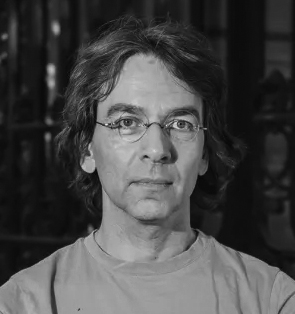
Gábor Attila Tóth writes primarily on human rights and constitutional theory. He is the author of ten books, and his work has appeared in leading international journals and edited volumes. He is Professor of Constitutional Law at the University of Debrecen and Senior Lecturer in Bioethics at Semmelweis University in Budapest. He has held research fellowships at Humboldt University in Berlin and the New School for Social Research in New York. He previously served as a key adviser to the Constitutional Court of Hungary as an expert in the EU project supporting the Constitutional Court of Moldova. He was a founder of the Hungarian Civil Liberties Union.
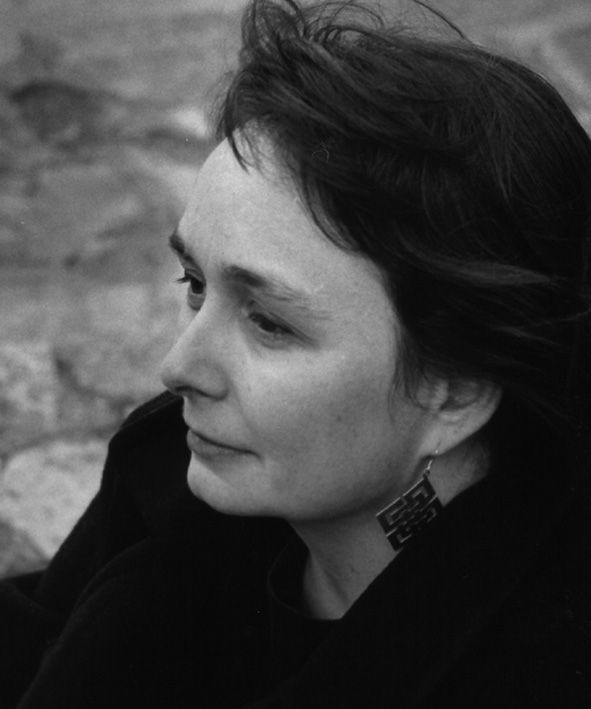
Ellen Hinsey is the author of ten books including, most recently, Anatomy of the Eclipse. Her essays on dangers to democracy are collected in Mastering the Past: Contemporary Central and Eastern Europe and the Rise of Illiberalism. Her book-length dialogue with the Lithuanian writer and human rights activist Tomas Venclova, Magnetic North, was a finalist for Lithuanian Book of the Year. Her work has appeared in publications such as The New York Times, The New Yorker, Frankfurter Allgemeine Zeitung, Gazeta Wyborcza, and others. A former Berlin Prize fellow of the American Academy in Berlin, she has most recently been a visiting professor at Georg-August-Universität Göttingen, Germany.
[1] In the United Kingdom, the constitution is not codified into a single text, but evolves out of specific statutes, judge-made common law, and unwritten conventions. The Hungarian historical constitution, by contrast, contained no judicial precedents protecting individual liberties and was associated less with normative force than with mythic beliefs.
[2] József Hajnóczy, Hajnóczy József közjogi-politikai munkái [The Constitutional and Political Writings of József Hajnóczy], ed. Andor Csizmadia (Budapest: Akadémiai Kiadó, 1958).
[3] István Bibó, Democracy, Revolution, Self-Determination: Selected Writings, ed. Karoly Nagy, transl. Andras Boros-Kazai (New York: Columbia University Press, 1991), Éva S. Balogh, István Bibó (1911–1979), Hungarian Spectrum, August 15, 2011.
[4] Václav Havel, Towards a Civil Society: Selected Speeches and Writings, 1990–1994, ed. Jan Vladislav (Prague: Lidové noviny, 1995).
[5] Miklós Bánkuti, Gábor Halmai, Kim Lane Scheppele, “From Separation of Powers to a Government Without Checks: Hungary’s Old and New Constitutions,” in Gábor Attila Tóth ed., Constitution for a Disunited Nation: On Hungary’s 2011 Fundamental Law (Budapest-New York: CEU Press, 2012), 237–268.
[6] Thomas Paine, “Rights of Man, Part I” (1791), in Thomas Paine: Collected Writings, ed. Eric Foner (New York: Library of America, 1995), 464–465.
[7] László Sólyom, Georg Brunner, Constitutional Judiciary in a New Democracy: The Hungarian Constitutional Court (Ann Arbor: University of Michigan Press, 2000).
[8] https://ec.europa.eu/commission/presscorner/detail/en/doc_97_13
[9] Valdas Adamkus et al. (including Václav Havel), An Open Letter to the Obama Administration from Central and Eastern Europe, July 16, 2009.
[10] Seongcheol Kim, “Because the Homeland Cannot Be in Opposition: Analysing the Discourses of Fidesz and Law and Justice (PiS) from Opposition to Power,” East European Politics 37, no. 2 (2021), 332–333.
[11] Ralf Dahrendorf, Reflections on the Revolution in Europe: In a Letter Intended to Have Been Sent to a Gentleman in Warsaw (New York: Times Books, 1990) 99–100.
[12] János Kis, “Constitution-Making in Two Stages,” lecture, Central European University, Budapest, March 24, 2011.
[13] Ronald Dworkin, Is Democracy Possible Here? Principles for a New Political Debate (Princeton: Princeton University Press, 2006).
[14] Kim Lane Scheppele, “Hungary and the End of Politics,” The Nation, May 6, 2014.
[15] European Parliament News, “Meps: Hungary Can No Longer Be Considered A Full Democracy,” September 15, 2022.
[16] Juan José Linz, Totalitarian and Authoritarian Regimes (Boulder, CO: Lynne Rienner, 2000), 153, 244.
[17] Timothy Snyder, The Road to Unfreedom: Russia, Europe, America (New York: Tim Duggan Books, 2018).
[18] Hannah Arendt, The Origins of Totalitarianism (San Diego: Harcourt Brace Jovanovich, 1979), ix.
[19] Bálint Magyar, Post-Communist Mafia State: The Case of Hungary (Budapest-New York: Central European University Press, 2016).
[20] Bálint Magyar and Bálint Madlovics, The Anatomy of Post-Communist Regimes: A Conceptual Framework (Budapest–New York: Central European University Press, 2021).
[21] Václav Havel, Summer Meditations (New York: Vintage Books, 1993), 25.
[22] Hannah Arendt, The Origins of Totalitarianism (New York: Harcourt, Brace & World, 1951), 447–448.
NOTE: This article was published on September 3, 2026. On September 8, 2026, the following sentence was corrected: “During this brief period, the first draft of a written constitution was prepared, but there was no time to implement it before the regime collapsed.” (The word “implement” replaces the word “adopt.”)
Subscribe to Read More